

 See My Latest Article on HelloNation

What Steps Do Homebuyers in Savannah, GA Need to Know About?
The process of buying a home in Savannah, GA generally follows a series of steps that help area residents move from their initial plans to finally closing on a house. Each stage—the preparation, searching, making an offer, inspections, and closing—has unique details and potential pitfalls, with some details shaped by local customs, climate, and governance. Whether new to the city or a long-time local, understanding these steps will set expectations and make the experience smoother.
How Should Local Buyers Start Preparing?
Getting ready to buy a home often means more than simply browsing listings online. In Savannah, most buyers begin by evaluating their personal finances, clarifying their housing needs, and learning the basics of mortgage loans.
- Reviewing credit scores: Lenders use credit to determine loan eligibility and rates.
- Assessing total budget: Consider not just the monthly payment, but local taxes, hurricane insurance requirements, and possible flood insurance due to the city’s coastal setting.
- Listing needs vs. wants: Typical considerations in the city include historic districts, proximity to marshlands, school zones, or distance to key workplaces.
By taking these steps upfront, residents can narrow their search and avoid overspending or unexpected financial surprises.
What Should Buyers Expect When House Hunting in the City?
Searching for homes in Savannah often means balancing charm, age, and location. The city offers a wide mix of historic homes, newer subdivisions, cottage styles, and townhouses. Local nuances shape this process:
- Older homes may require more extensive inspections due to climate-related wear, humidity, or past storm damage.
- Community covenants or homeowners’ associations (HOAs) are common in many neighborhoods, especially newer developments.
- Flood zone maps are essential reference tools. Even homes not immediately adjacent to water can require special insurance or involve higher maintenance due to local weather patterns.
Common misconception: Some first-time buyers believe every historic home is eligible for tax credits. In reality, only certain properties within designated districts qualify, and eligibility depends on specific renovations.
How Do Financing and Pre-Approval Work for Area Residents?
Most buyers in Savannah secure financing through mortgage lenders. Before touring homes, many seek pre-approval to show sellers they’re serious.
- Pre-approval involves a lender reviewing financials and issuing a letter stating a maximum loan amount.
- In Savannah, sellers commonly expect buyers to have this letter before considering a purchase offer.
- Local lenders often evaluate flood risk and insurance requirements carefully, so documentation may take a bit longer compared to non-coastal areas.
A pre-approval isn’t a loan guarantee, but it does provide a clearer picture of what’s affordable and gives an edge in competitive situations.
What Happens When Making an Offer in Savannah?
Once a desirable property is found, the offer process begins. Local custom generally uses standardized purchase contracts but each situation differs.
- Most offers include an earnest money deposit, typically held in escrow until closing.
- Offer terms include price, contingencies (such as financing, inspections, or sale of a current home), and a proposed closing timeline.
- In historic neighborhoods, contracts may require special clauses for preservation rules or city permits.
It can be surprising to buyers that some homes, especially in high-demand neighborhoods, receive multiple offers, requiring a quick decision.
How Are Home Inspections and Due Diligence Handled Locally?
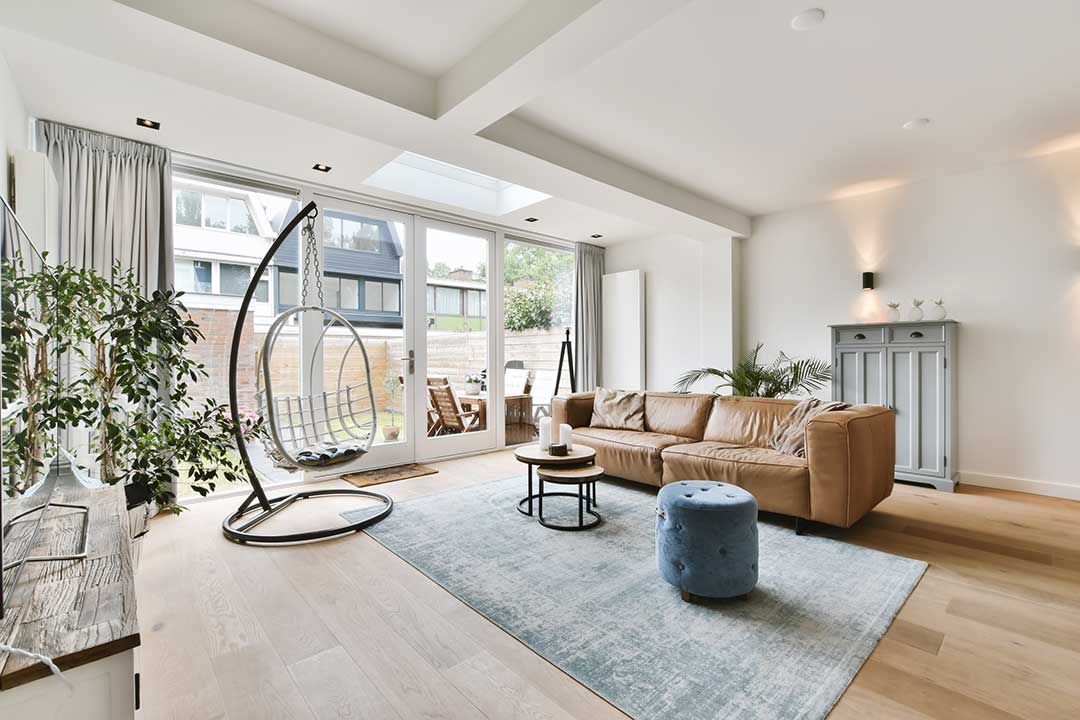
After an offer is accepted, buyers usually enter a due diligence period. Home inspections are common practice, especially considering the city’s aging housing stock and subtropical climate.
- Standard inspections cover structure, roofing, electrical, plumbing, and HVAC systems.
- Because of Savannah’s environment, some buyers add checks for termite damage, previous flooding, or mold.
- In historic areas, additional permits or special review may be needed for planned renovations.
A key point for local homebuyers: Flood insurance isn’t required everywhere, but even small creeks or seasonal storms can affect properties in unexpected locations.
What Should Buyers Know About the Closing Process?
Closing is the final step where documents are signed and ownership is transferred. The process in Savannah generally takes place at a closing attorney’s office, as Georgia law requires an attorney to conduct all real estate closings.
- Prior to closing, buyers receive a settlement statement with all costs spelled out—loan fees, insurance, taxes, prorated utilities, and more.
- Buyers conduct a final walkthrough to ensure the home’s condition hasn’t changed.
- Local closing timelines average 30 to 45 days from offer acceptance, though some can move faster or slower based on loan underwriting, title research, or repairs.
Residents who plan to move during summer should be aware that local moving companies often book up well in advance, as this season sees the highest volume of closings in the area.
Are There Overlooked Details Unique to Homebuying in This Area?
While the overall process is similar to other parts of the state, Savannah’s climate, landscape, and local governance add some unique twists:
- Yard maintenance: Neighborhoods closer to marshes or shaded by live oaks often face extra yard cleanup, especially after storms.
- Insurance: Storm preparation, policy coverage for hurricanes, and flood risk can lead to higher-than-expected insurance premiums.
- Historic restrictions: Homes in preserved neighborhoods may be subject to review boards that limit changes to facades, paint colors, or additions.
Many buyers overlook these factors only to discover extra costs or regulatory hurdles after moving in.